
Part one:
"we have a shoot coming up, and need a drone"
Through my experience in this industry with people who had never hired a drone operator, I put together this blog series to educate people on how to more effectively hire a drone operator, by knowing what questions to ask. Of course people who have no experience are getting rarer, but if you’re one of them, or want to fill in gaps in your knowledge – read on!
Hi, my name is Drew Cobb, and Dronewrx is my company. I’m also the head pilot. I’ve been flying drones since 2013. I was working in production (CSI Vegas, Chuck, Parenthood) and when I saw a Phantom 1, with a GoPro 3 hard mounted to the drone. I knew right then what I wanted to do with my life and have never looked back. At the time, there were no schools teaching drones, the drones we flew didn’t even come with cameras or video transmission built in, and there was ZERO FAA regulations. My first few drones didn’t have instruction manuals or online tutorials! You had to count how many times the lights flashed to know if it had marked the home point” In fact, when we needed to land, we hit it with a club and dragged it back to our cave! Ahhhh the good ol’ days….
Now here’s an issue that I see all too often. Productions only know that they “need a drone” and lump all UAV’s into the same category. Believe it or not I recently (fall 2025 I worked with a producer who had never used drones before). There are many drones that could be used and your budget combined with what your final output will be; web? TV? Film? will determine which one you need.
So you don’t need a drone…
…You need a skilled & licensed pilot that has the correct drone/camera combo that suits your productions needs.
Please read the following blog(s) and allow me to impart some of the knowledge I have gained over the past 13+ years and you will have narrowed it down, or might know exactly what you need.
Or you can call / text and we’ll help you get the right drone/pilot for the right price:
323-899-8400
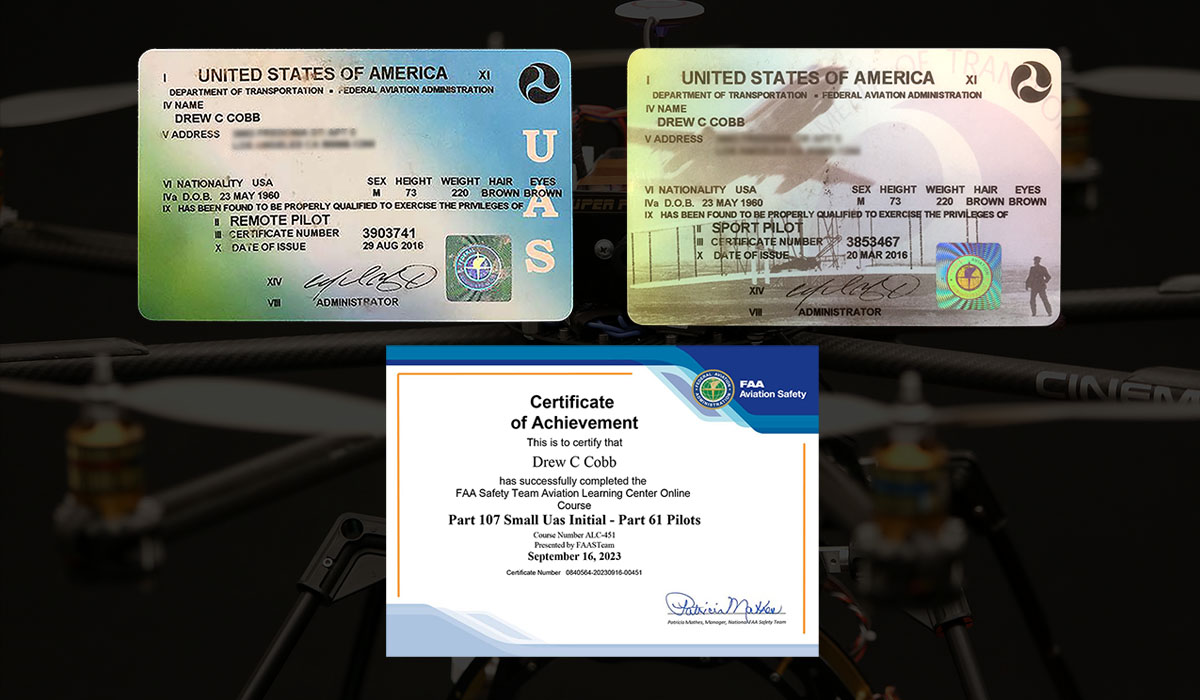
Does a potential drone pilot have the right qualifications?
This is probably redundant to some, but to fly drones commercially, a pilot must hold a current part 107 certificate, AND a bi-annual recertification (pilots are required to pass a written “recertification” test every 2 years). Something called a Part 333 was the first commercial drone license, which also required a licensed pilot to be the PIC (Pilot In Command). Yup, the FAA required an actual pilots license in those early days, and a small number of us passionate individuals went out and got “certificated”. If a pilot has both, you know they’ve been doing this longer and are 1000% dedicated, and someone worth doing business with. You might drop a leading question like: “I heard at one time there was something called a Part 333?” and see what kind of response you get.
Step one: You’ll need copy of their qualifications, to get approval. These are things that the authorities will want to see. On most big productions it’s the Fire Marshall, sometimes it’s a police office. On small jobs, there wont be anyone officially checking paperwork, but for your own protection work with someone who has a Part 107 and aircraft insurance policy because as the producer YOU’RE responsible for checking. The bigger the set, the more likely there will be someone checking. Then there’s city and state parks which can be even more stickler-ish. Like everything in life, having a respectful attitude helps. These people earned their position and “Yes sir / ma’am” goes a long way conversely laying it on too thick seems disinjenuous. Some people act like having a Part 107 gives them an entitlement to ‘tell authorities how it’s gonna go’. Agencies with absolute power do not take kindly to entitled blow-hards who took a written test so watch for someones attitude. Pilots respect hours. BTW, actual aircraft insurance isn’t cheap.
Here’s a big problem in this industry. This is a very attractive way to earn a living, so there’s always an element of eager green horns, who don’t have a lot of experience and are often willing to undercut and work for peanuts. AKA “the race to the bottom”. And anyone can fly around haphazardly since everything looks cooler from the air. But when there’s timing involved, obstacles, precision, and other pressures from a director not everyone has the nerve. I often end up directing the shoots, or suggesting shots because I know what works and what editors want because I produce and edit content. So I can do exactly what you want, make suggestions, or both.
Drones can be an amazing addition to your production; a camera that moves in 3D in the right hands is gold, it’s a dolly, it’s a limitless crane, it’s a helicopter. However, in the wrong hands its an eye-poker-outer buzzing around your talent.
This is probably redundant to some, but to fly drones commercially, a pilot must hold a current part 107 certificate, AND a bi-annual recertification (pilots are required to pass a written “recertification” test every 2 years). Something called a Part 333 was the short-lived first commercial drone license, which required a licensed pilot to be the PIC (Pilot In Command). Yup, the FAA required an actual pilots license in those early days, and a small number of us passionate individuals went out and got “certificated”. If a pilot has both, you know they’ve been doing this longer and 1000% dedicated, so they’re someone you’d rather be doing business with. You might drop a leading question like: “I heard at one time there was something called a Part 333?” and see what kind of response you get.
Step one: You’ll need copy of their qualifications, to get approval. These are things that the uniformed authorities will want to see. On most big productions it’s the Fire Marshall, sometimes it’s a police office. On small jobs, there wont be anyone officially checking paperwork, but better for your own protection to work with someone with an aircraft insurance policy because as the producer YOU’RE responsible for checking. On permitted sets there will be someone checking. Then there’s city and state parks which can be even more stickler-ish. Like everything in life, having a respectful attitude helps. These people earned their position and “Yes sir / ma’am” goes a long way conversely laying it on too thick seems disingenuous. Some people act like having a Part 107 gives them an entitlement to “tell” authorities how it’s gonna go. Agencies with absolute power do not take kindly to entitled blow-hards so watch for someones attitude. BTW, actual aircraft insurance isn’t cheap.
Here’s a big problem in this industry. This is a very attractive way to earn a living, so there’s always an element of eager green horns, who don’t have a lot of experience and are often willing to undercut and work for peanuts. AKA “the race to the bottom”. And anyone can fly around haphazardly, everything looks cooler from the air. But when there’s timing involved, obstacles, precision, and other pressure from a crew not everyone has the nerve. I often end up directing the shoots, or suggesting shots because I know what works and what editors want because I produce and edit content. I can do exactly what you want, or make suggestions.
Drones can be an amazing addition to your production; a camera that moves in 3D in the right hands is gold, it’s a dolly, it’s a limitless crane, it’s a helicopter. However, in the wrong hands its an eye-poker-outer buzzing around your talent.
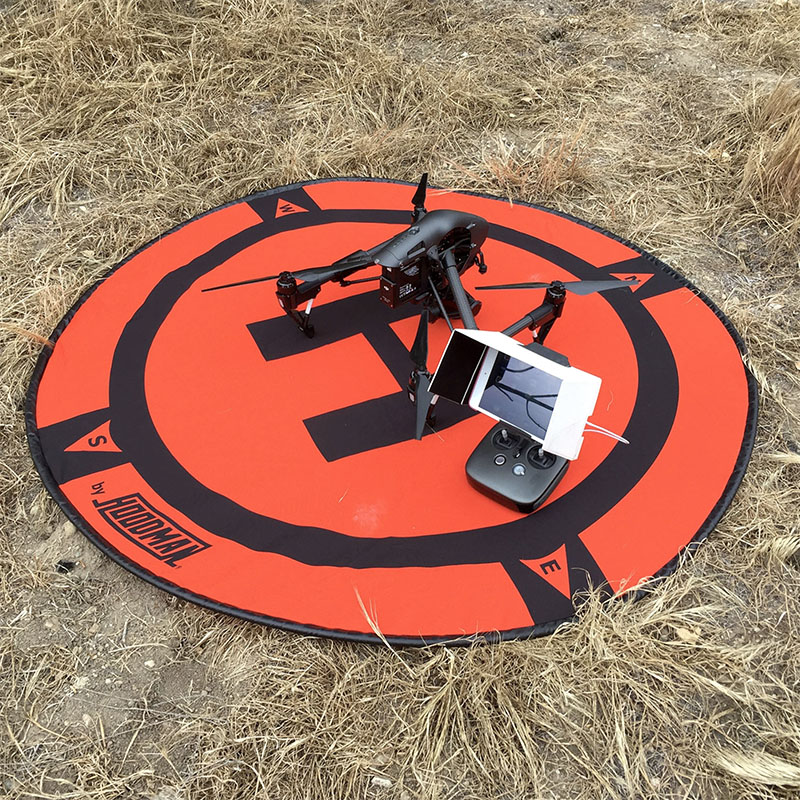
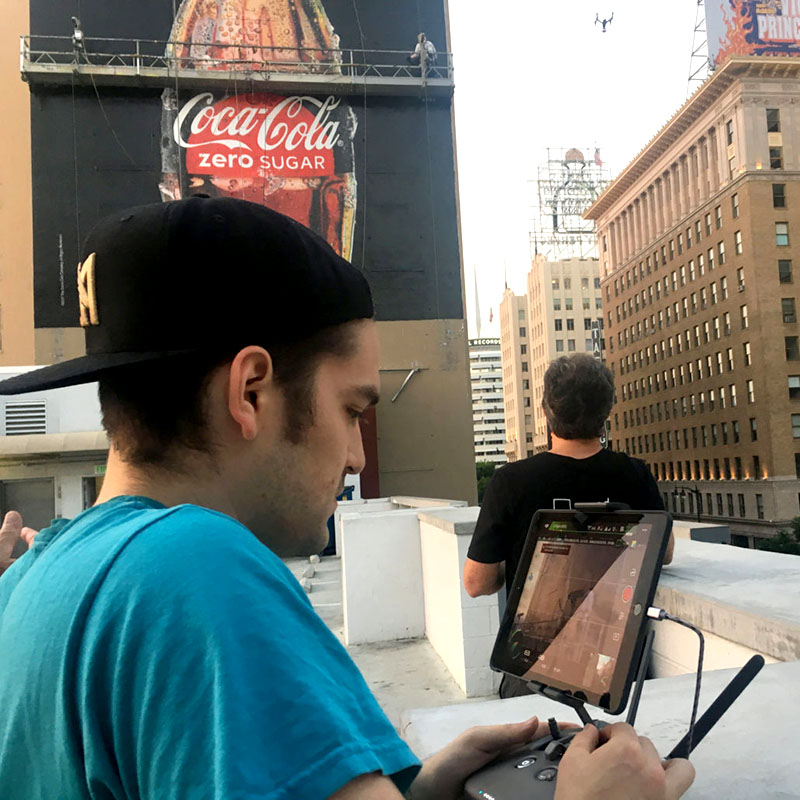
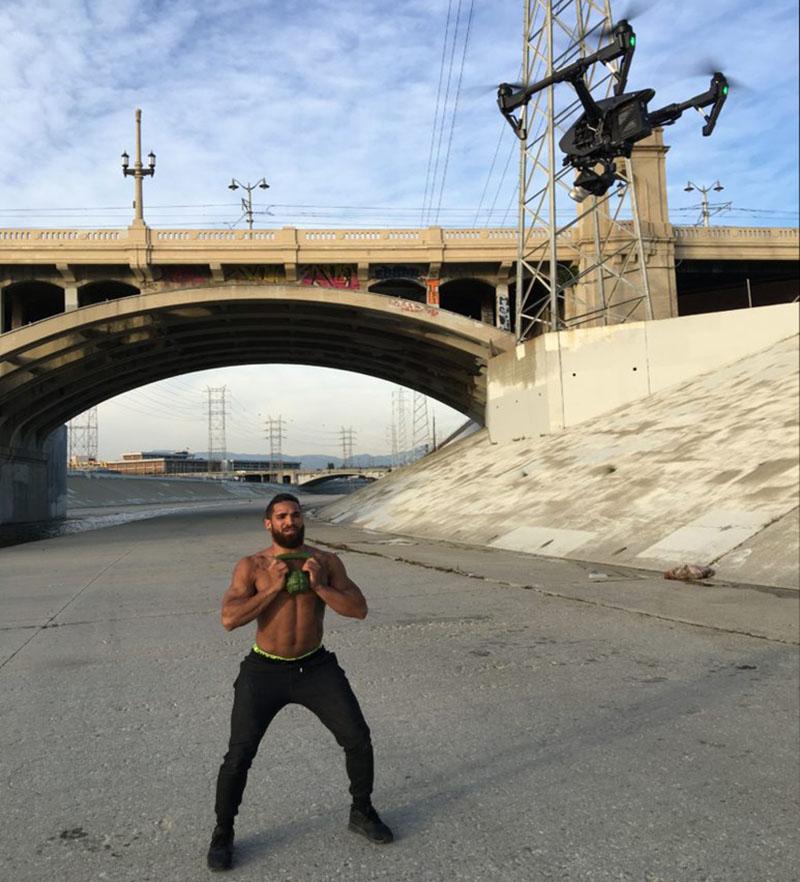
Can they fill out the necessary paperwork?
Drone pilots are notoriously bad at filling out paperwork. In fact I’ve heard some producers say “drone pilots don’t do paperwork“. We see that as the first important part of the process, and are very good at it. It doesn’t hurt that I was a graphic designer for my first career and Adobe Creative programs are second nature to me. I actually had a Fire Marshall say to me on a Wayfair commercial “This is the the best paperwork I’ve ever received from a drone operator”. Yes, I design Dronewrx branding, website and merch.
To continue to PART 2 “Paperwork / Insurance”
© Copyright 2017-2026 Dronewrx • All rights reserved